
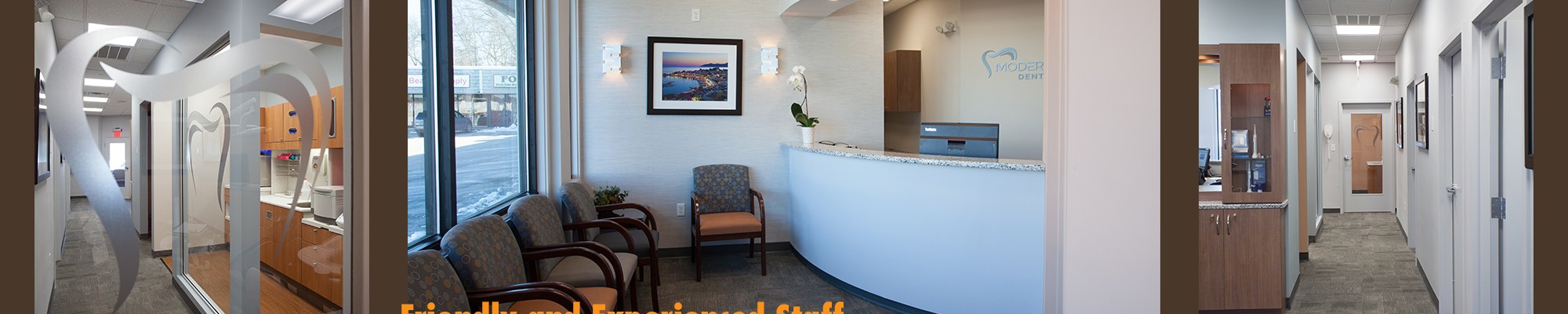









Modern Smiles Dental Care

What role does a dental assistant play in a dentist office ?

Dental assistants play a crucial role in the day-to-day operations of a dental office. They work closely with dentists, hygienists, and other dental professionals to provide high-quality dental care to patients. Here are some of the typical roles and responsibilities of a dental assistant:

  1. Preparing patients for treatments: Dental assistants are responsible for preparing patients for dental procedures by taking their medical history, explaining the treatment process, and making them comfortable in the dental chair.
  2. Assisting during dental procedures: Dental assistants work alongside the dentist during procedures, passing instruments and materials, suctioning saliva and water, and taking x-rays.
  3. Sterilizing instruments and equipment: Dental assistants are responsible for cleaning, disinfecting, and sterilizing dental instruments and equipment to ensure that they are safe and ready for use.
  4. Managing patient records: Dental assistants maintain patient records, including medical histories, treatment plans, and progress notes.
  5. Educating patients: Dental assistants may educate patients on proper oral hygiene techniques and provide post-operative care instructions.
  6. Front office duties: In some dental offices, dental assistants may perform front office duties such as scheduling appointments, answering phones, and managing billing and insurance.

Overall, dental assistants are essential members of a dental team, providing critical support to ensure that patients receive high-quality dental care in a safe and comfortable environment.

What is the difference in lab-made dental crown and in-office made dental crowns ?

The main difference between lab-made dental crowns and in-office made crowns lies in the location where they are fabricated. Lab-made dental crowns are created in a dental laboratory by a dental technician, while in-office made crowns are fabricated on-site by a dentist using computer-aided design and manufacturing (CAD/CAM) technology.

Lab-made dental crowns are typically made from materials such as porcelain, zirconia, or metal alloys. After the dentist takes impressions of the patient’s teeth, the impressions are sent to a dental laboratory where a dental technician creates a custom-made crown that fits the patient’s tooth precisely. The process usually takes a few days, and the patient will need to wear a temporary crown in the meantime.

In contrast, in-office made crowns are created using CAD/CAM technology. After taking impressions of the patient’s teeth, the dentist uses computer software to design a custom crown. The design is then sent to an on-site milling machine, which creates the crown out of a block of material, typically ceramic or resin. The entire process can often be completed in a single dental appointment, allowing the patient to leave with a new crown on the same day.

Both types of crowns can be highly durable and provide long-lasting results when properly cared for. However, there are some differences in terms of convenience, cost, and customization. Lab-made crowns may offer more customization options, as a dental technician can carefully craft the crown to match the shape, size, and color of the patient’s natural teeth. In-office made crowns may be more convenient for patients who want to avoid multiple dental appointments, while lab-made crowns may be more cost-effective for patients who have dental insurance or want to explore different material options.

Modern Smiles Dental Care

Burlington MA Dentist Sarita Malhotra, BDS, DMD, practices a full scope of general and cosmetic dentistry with expertise ranging from porcelain veneers to dental implants, crowns and bridges. Dr. Malhotra can now correct a wide variety of so-called permanent cosmetic dental problems, and can literally redesign your smile.

How does a dentist treat a chipped or broken tooth ?

The treatment for a chipped or broken tooth will depend on the extent of the damage. Here are some common treatments that a dentist may use to repair a chipped or broken tooth:

Dental bonding: For minor chips, your dentist may apply a tooth-colored composite resin material to the affected tooth and shape it to match the natural contours of your teeth. This is known as dental bonding.

Dental veneers: If the chip is more significant, your dentist may recommend a dental veneer, which is a thin, custom-made shell that is placed over the front of the affected tooth. Veneers are made of porcelain or composite resin and can improve the appearance of chipped or broken teeth.

Dental crown: If the tooth is severely damaged, your dentist may suggest a dental crown, which is a tooth-shaped cap that fits over the damaged tooth. The crown can restore the tooth’s strength, shape, and function.

Root canal: If the chip or break has exposed the tooth’s pulp, which contains nerves and blood vessels, a root canal may be necessary. During a root canal, your dentist will remove the damaged pulp, clean the root canal, and fill it with a rubber-like material to seal it.

Dental implant: In cases where the tooth cannot be saved, your dentist may suggest a dental implant. A dental implant is a titanium post that is surgically placed in the jawbone and is topped with a dental crown to replace the missing tooth.

It is essential to see a dentist as soon as possible after a tooth chip or break to assess the damage and determine the appropriate treatment.

Modern Smiles Dental Care
Burlington MA Dentist Sarita Malhotra, BDS, DMD, practices a full scope of general and cosmetic dentistry with expertise ranging from porcelain veneers to dental implants, crowns and bridges. Dr. Malhotra can now correct a wide variety of so-called permanent cosmetic dental problems, and can literally redesign your smile.

Why does a tooth get broken or chipped ?

A tooth can get broken or chipped due to several reasons, including:

Trauma: A blow to the face, a fall, or any other injury to the mouth area can cause a tooth to break or chip.

Cavities: If a cavity weakens the tooth structure, it can make the tooth more susceptible to breakage or chipping.

Grinding or clenching: Habitual teeth grinding or clenching, also known as bruxism, can cause teeth to wear down and become more prone to breakage.

Biting into hard objects: Biting into hard objects like ice, hard candy, or bones can cause a tooth to chip or break.

Weakened tooth structure: If a tooth has undergone a significant amount of dental work, such as a large filling or root canal treatment, the tooth may become weakened and more prone to breakage.

Age: As we age, our teeth can become weaker and more brittle, which can make them more susceptible to breaking or chipping.

If you experience a broken or chipped tooth, it is essential to see a dentist as soon as possible for proper diagnosis and treatment.

Modern Smiles Dental Care
Burlington MA Dentist Sarita Malhotra, BDS, DMD, practices a full scope of general and cosmetic dentistry with expertise ranging from porcelain veneers to dental implants, crowns and bridges. Dr. Malhotra can now correct a wide variety of so-called permanent cosmetic dental problems, and can literally redesign your smile.

Who is an in-network dental provider?

An in-network dental provider is a dental professional who has contracted with a particular dental insurance company to provide dental services to its members at a negotiated, discounted rate. When a dental provider is in-network, it means they have agreed to accept the insurance company’s contracted fees for their services, and the insurance company will pay for a portion of the treatment costs, according to the policy terms.

As a result, choosing an in-network dental provider can help individuals with dental insurance save money on their dental care expenses.


Modern Smiles Dental Care
Burlington MA Dentist Sarita Malhotra, BDS, DMD, practices a full scope of general and cosmetic dentistry with expertise ranging from porcelain veneers to dental implants, crowns and bridges. Dr. Malhotra can now correct a wide variety of so-called permanent cosmetic dental problems, and can literally redesign your smile.  We are in-network dental providers for Delta Dental, Cigna, Principal, Aetna, Metlife, Blue Cross and other.  Please call our office to confirm network participation.

What are the steps to get a dental implant ?

Getting a dental implant typically involves several steps that may span over several months, depending on the individual case. Here are the general steps involved in getting a dental implant:

Initial consultation: The first step is to schedule an initial consultation with a qualified dental professional, such as a periodontist or an oral surgeon. During this consultation, the dentist will assess the patient’s oral health and determine whether they are a good candidate for dental implants.

Treatment planning: Once it’s determined that the patient is a good candidate for dental implants, the dentist will create a customized treatment plan based on the patient’s needs and preferences. This may involve taking X-rays and impressions of the patient’s teeth and gums to ensure that the implant is placed in the optimal location.

Implant placement: The next step is to place the implant into the jawbone. This involves making an incision in the gum tissue and drilling a hole into the jawbone to create space for the implant. The implant is then placed into the hole and the gum tissue is closed with sutures.

Osseointegration: After the implant is placed, it will need time to fuse with the surrounding bone tissue in a process called osseointegration. This typically takes several months, during which the patient will wear a temporary restoration.

Abutment placement: Once osseointegration is complete, the dentist will attach an abutment to the implant. The abutment is a small connector piece that attaches to the implant and extends above the gum line.

Restoration placement: The final step is to place the restoration, such as a crown, bridge, or denture, onto the abutment. The restoration is custom-made to match the patient’s natural teeth in terms of size, shape, and color.

Follow-up care: After the implant is placed and the restoration is attached, the patient will need to maintain good oral hygiene practices and attend regular checkups with their dentist to ensure the implant and restoration are functioning properly.

Modern Smiles Dental Care
Burlington MA Dentist Sarita Malhotra, BDS, DMD, practices a full scope of general and cosmetic dentistry with expertise ranging from porcelain veneers to dental implants, crowns and bridges. Dr. Malhotra can now correct a wide variety of so-called permanent cosmetic dental problems, and can literally redesign your smile.

March madness basketball and dental health – Is there a connection ?

March Madness basketball and dental health may not seem to be related, but there are some important connections between the two.

First, during March Madness, people may indulge in more sugary and acidic foods and drinks, such as soda, candy, and chips, which can increase the risk of tooth decay and gum disease. Consuming these types of foods and drinks in moderation and brushing and flossing regularly can help reduce the risk of dental problems.

Second, sports injuries, including dental injuries, can occur during basketball games. Athletes can protect their teeth by wearing a mouthguard while playing. A properly fitted mouthguard can help prevent chipped, broken, or knocked-out teeth, as well as reduce the risk of concussion.

Finally, stress and anxiety can also affect dental health. During March Madness, some fans may experience stress and anxiety due to the excitement and pressure of the tournament. Stress and anxiety can cause dental problems such as teeth grinding, which can lead to tooth damage and jaw pain. Practicing stress-management techniques, such as exercise, meditation, or deep breathing, can help alleviate these issues.

In summary, March Madness basketball and dental health are connected in several ways, including through diet, sports injuries, and stress management. By taking care of your teeth and practicing good oral hygiene habits, wearing a mouthguard, and managing stress, you can enjoy the tournament while also maintaining good dental health.

Modern Smiles Dental Care
Burlington MA Dentist Sarita Malhotra, BDS, DMD, practices a full scope of general and cosmetic dentistry with expertise ranging from porcelain veneers to dental implants, crowns and bridges. Dr. Malhotra can now correct a wide variety of so-called permanent cosmetic dental problems, and can literally redesign your smile.

Can bad oral health cause stress ?

Yes, bad oral health can cause stress. When a person experiences problems with their teeth or gums, it can lead to physical discomfort, pain, and difficulty with eating and speaking. This can cause anxiety and stress, which can in turn affect a person’s overall well-being and mental health.

Additionally, bad oral health can also have social implications. People with bad breath, stained or missing teeth, or other visible oral health problems may feel self-conscious or embarrassed, which can also lead to stress and anxiety.

Furthermore, dental problems can be expensive to treat, which can cause financial stress for some people.

Overall, maintaining good oral health is important not only for physical health but also for mental and emotional well-being. Regular dental check-ups and proper oral hygiene can help prevent dental problems and reduce the risk of associated stress and anxiety.

Modern Smiles Dental Care
Burlington MA Dentist Sarita Malhotra, BDS, DMD, practices a full scope of general and cosmetic dentistry with expertise ranging from porcelain veneers to dental implants, crowns and bridges. Dr. Malhotra can now correct a wide variety of so-called permanent cosmetic dental problems, and can literally redesign your smile.

What is the difference between teeth cleaning and teeth whitening ?

Teeth cleaning and teeth whitening are two distinct dental procedures that serve different purposes.

Teeth cleaning, also known as prophylaxis, is a routine dental procedure that involves the removal of plaque, tartar, and stains from the teeth. This is typically done by a dental hygienist using special instruments such as a scaler and a polisher. The purpose of teeth cleaning is to remove any buildup of plaque and tartar that can cause tooth decay, gum disease, and bad breath. While teeth cleaning can help to brighten the teeth to some extent, its primary goal is to promote oral health.

Teeth whitening, on the other hand, is a cosmetic dental procedure that is done to improve the appearance of the teeth by making them whiter. This is typically done using bleaching agents such as hydrogen peroxide or carbamide peroxide, which penetrate the tooth enamel and break down stains and discolorations. Teeth whitening is not necessary for oral health, but many people choose to do it for aesthetic reasons.

In summary, teeth cleaning is a preventive dental procedure that aims to remove plaque and tartar to promote oral health, while teeth whitening is a cosmetic procedure that aims to improve the appearance of the teeth by making them whiter.

What is the effect of cannabis on dental health ?

Cannabis, also known as marijuana, is a drug that is widely used for both recreational and medicinal purposes. While it has been legalized in some parts of the world, its long-term effects on the body are still being studied. One area that has received increasing attention is the impact of cannabis on dental health.

The primary active component in cannabis is delta-9-tetrahydrocannabinol (THC), which can have several effects on oral health. These effects can be either positive or negative depending on the frequency and amount of use.

One of the most well-known side effects of cannabis is dry mouth, also known as xerostomia. This condition is caused by a decrease in saliva production, which can lead to a range of dental problems such as tooth decay, gum disease, and bad breath. Saliva helps to neutralize acids produced by bacteria in the mouth and provides a protective barrier against tooth decay. When there is a lack of saliva, these protective mechanisms are compromised, and dental problems can occur.

In addition to dry mouth, cannabis use can also lead to an increased risk of gum disease. This is because THC can cause inflammation in the gums, which can lead to bleeding, swelling, and tenderness. If left untreated, gum disease can progress to more serious problems such as tooth loss.

Another potential consequence of frequent cannabis use is tooth decay. This is because cannabis use can increase the desire for sugary or acidic foods, which can erode the tooth enamel and lead to decay. Furthermore, smoking cannabis can also cause damage to the teeth and gums, as well as increase the risk of oral cancer.

Despite these potential negative effects, some research has suggested that cannabis may also have some positive effects on dental health. For example, cannabinoids such as CBD (cannabidiol) have been shown to have anti-inflammatory properties, which could help reduce gum inflammation and promote overall oral health. CBD has also been found to have antibacterial properties, which could help prevent the growth of harmful bacteria in the mouth.

In summary, while the long-term effects of cannabis on dental health are still being studied, it is clear that frequent use can have negative consequences such as dry mouth, gum disease, and tooth decay. It is important for cannabis users to maintain good oral hygiene habits and to be aware of the potential risks associated with use. If you are a frequent cannabis user, it is recommended that you visit your dentist regularly for check-ups and cleanings to ensure that your oral health is in good condition.